
Why I Trust a Good Explorer: My Hands-On Take on Solscan for Solana
Okay, so check this out—I’ve been poking around Solana for a few years now. Wow! My instinct said explorers would all feel the same. Initially I thought most were just dashboards with pretty graphs, but then reality hit: somethin’ else matters—speed, clarity, and the little details that save you an hour when a tx fails. Seriously? Yes. On one hand you want raw data. On the other, you want that data organized so your brain can actually use it.
Here’s the thing. Blockchains are messy. Hmm… transactions fail, programs behave oddly, and tokens get minted with names that don’t make sense. One quick glance at a block should tell you what happened. It often doesn’t. My first impression of explorers was frustration. Then I found tools that asked fewer questions and gave better answers. That shift changed how I debug, how I teach newbies, and how I build small scripts for monitoring wallets.
When you’re troubleshooting a stuck transaction, time matters. Really. You want to know: was it a nonce, a compute budget, a signature problem, or a program error? A clear explorer surfaces logs, inner instructions, and program IDs fast. That clarity is why I keep coming back to certain features in explorers. And yes, user experience matters—UX reduces mistakes, and mistakes cost SOL.
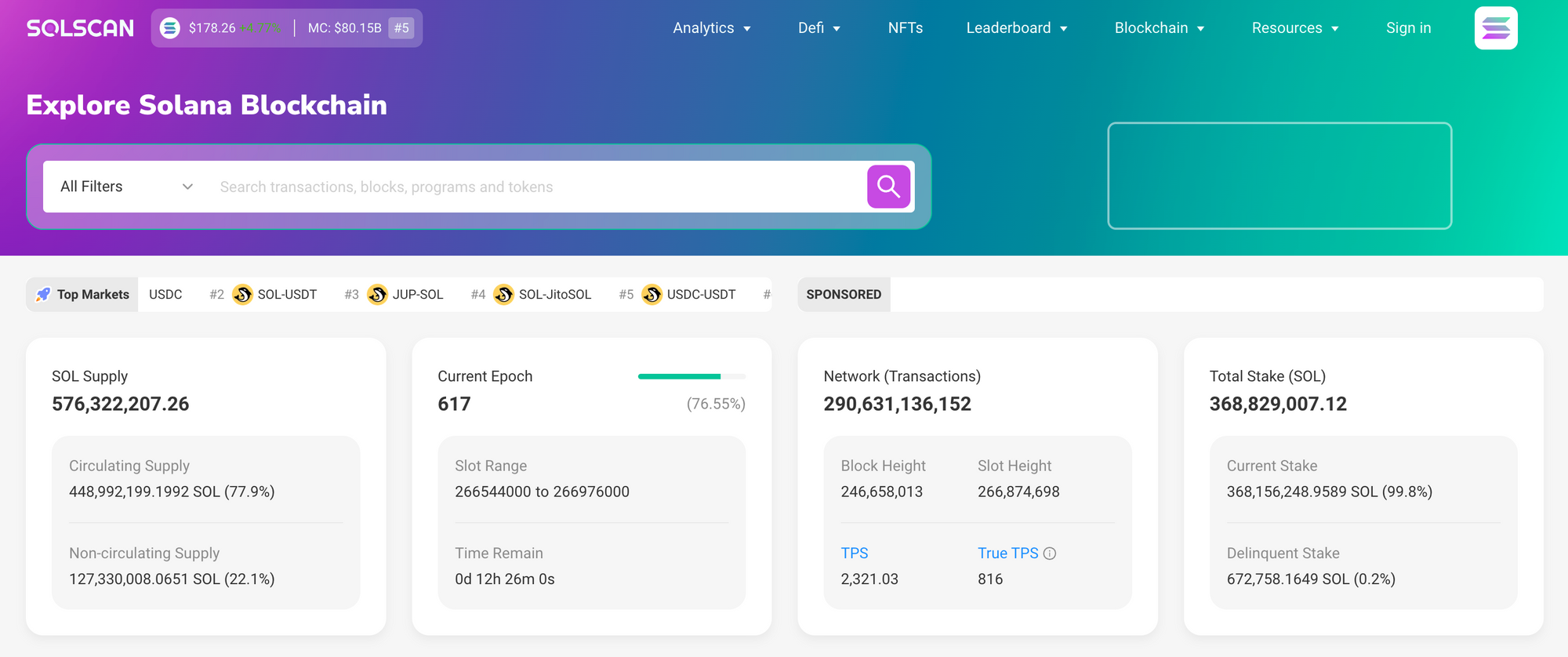
How I Use solscan Every Day, and Why It Helps
I use solscan to eyeball transactions, track token mints, and confirm program interactions. Whoa! When I’m in a hurry I look first at the transaction summary. Medium detail first. Then I dive into the logs if something smells off. My workflow grew out of trial and error: click, scan, correlate, repeat. Initially I thought raw logs alone would be enough, but then realized the context Solscan adds—source program names, token metadata links, and resolved addresses—saves a lot of time. Actually, wait—let me rephrase that: the explorer doesn’t magically fix logic bugs, but it points you very directly where the problem lives.
One thing that bugs me is obscure program errors. They often show as cryptic numeric codes. On one hand you get a code. On the other hand, a helpful explorer surfaces the human-readable log that decodes that code. That difference is worth minutes or hours. My gut says always check logs first. My head says validate signatures and account balances next. Together they point to the solution.
For token research, I look at mint history and holder distribution. If I’m investigating an airdrop or NFT mint, the transfer timeline and account creation entries tell a story. And yes—I dig into the token’s metadata and creator addresses. That often reveals whether something is an official drop or some clever spoof. I’m biased, but details matter to me. If you care about provenance, you should too.
Another practical note: you can monitor program accounts for state changes. Hmm… sounds nerdy, but it’s huge. Watching a program’s account data change during a sequence of transactions reveals race conditions and ordering issues that you’d miss otherwise. I made a small script once that polls an account and alerts when a field flips. Saved my neck more than once.
Now let’s talk speed. Solana itself is fast. That only helps if your explorer responds quickly and doesn’t time out when scanning a large transaction. Slow UI is the worst. You might refresh, resend, do dumb things. That double-work is unnecessary. Good explorers cache well and expose raw RPC results if you want them—which is what I often do when I need reproducible debugging steps.
There are limits and caveats. Not every event is indexed instantly. Some historical queries are heavier and slower. I’ve bumped into rate limits during heavy investigation days. Oof. When you’re pulling large datasets, consider paginating requests or using programmatic APIs rather than relying on the UI. Also, trust but verify: explorers can show helpful inferred names and labels, but those are metadata layers that can be incomplete.
Okay, quick tip list—practical and usable:
- Check logs first for program errors. They usually show the failure reason.
- Verify token metadata to confirm provenance. Creators matter.
- Use the inner instructions view for complex txs. It reveals cross-program calls.
- Watch program account state to debug race conditions. Poll smartly.
- When in doubt, fetch the raw transaction via RPC to reproduce locally.
Sometimes I rant. Sorry. But transparency in tools matters. If an explorer obfuscates or over-labels, it can mislead. If it surfaces too little, you’re blind. Balance is key. My working rule: an explorer should be honest about what it infers and what it knows for sure. Somethin’ like that.
FAQ — quick answers from someone who uses explorers daily
How do I tell a failed transaction apart from a successful one?
Look at the status and logs. A failed tx will have a non-ok status and often a program error in the logs. If instructions executed partially, inner instruction traces show which program errored out. Short story: logs reveal the truth.
Can I trust token labels and names?
Labels are helpful but not infallible. They’re added by metadata and community tagging. Cross-check mint addresses and creator info. If you’re moving significant value, verify on-chain details yourself—double-check the mint address and recent transfer history.
What should I do if the explorer is slow or rate-limited?
Try paginating queries, use the explorer’s API endpoints if available, or query an RPC provider directly. Also, wait a minute—sometimes congestion or indexing lag causes temporary slowness. My instinct says don’t hammer it; practical patience helps.